


Ambient intelligence sensors
Ambient Intelligence (AmI) sensors are technologies designed to detect environmental and physiological data. They are deployed within or around the monitored environment and its animals, operating through sensors supported by specific processing and communication systems. AmI sensors typically use transducers and transceivers to capture, process, and transmit the collected information. These systems aim to interpret large volumes of data and to adapt the environment both responsively and predictively, enabling the effective understanding of contextual information. An AmI system is generally characterised by context awareness, personalisation,predictive capability, adaptability, ubiquity, and transparency. For example, AmI technology can be used to monitor air quality, biodiversity loss, and pollution levels, supporting sustainable resource management and preventing environmental degradation. It can also assist different professionals in their daily work by providing innovative tools for communication and monitoring.
Opportunities
- Use of environmental data to support climate adaptation strategies
- A more equitable distribution of resources
Requirements
- Data interoperability
- Clear rules for data management
Risks
- High-cost technologies not accessible to all
- Cybersecurity vulnerabilities
Impacts
- More effective resource management using continuous feedback
Example of potential fields of application
- Monitoring urban air quality
- Sensors powered by radio waves and light
- Precision agriculture systems to increase crop yields
Carbon dioxide removal
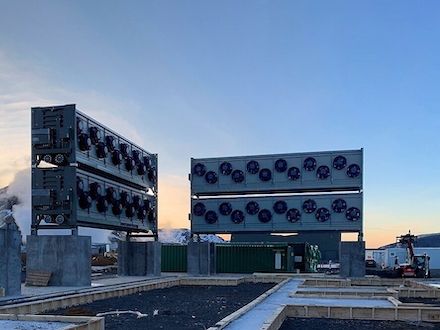
Carbon Dioxide Removal (CDR) technologies remove carbon dioxide (CO2) from the atmosphere and ensure its long-term storage. They capture CO2 using chemical filters or absorbent materials, while fans and pumps circulate air through the capture systems. The captured CO2 is transported via pipes and valves to storage or conversion sites, where chemical reactors allow its storage or transformation. Finally, sensors and transducers monitor the process, while software and algorithms optimise its operation and detect any anomalies. CDR technologies are characterised by large-scale carbon sequestration, permanence of storage, and adaptability to different ecosystems. They differ according to the CO2 capture processes employed and the storage methods adopted. For example, in Direct Air Capture systems, air passes through filters or chemical solvents, and the captured CO2 is subsequently compressed and either stored in deep geological formations or converted into stable substances. In contrast, Biochar technologies convert organic matter into charcoal for soil storage. CDR technologies support long-term environmental sustainability by limiting the rise in global temperatures and can be applied in industrial, agricultural, and marine environments.
Opportunities
- Alternative to conventional fossil fuels
Requirements
- Site selection and characterizations
Risks
- High costs
- Scalability challenges
Impacts
- Reduction of atmospheric carbon dioxide concentrations and containing of the effects of climate change
Example of potential fields of application
- Direct air capture with geological CO2 storage
- Biochar in agriculture to improve soil fertility
- Moisture swing: remove CO2 from the air and generate energy
- Accelerated basalt weathering converts CO2 into soil minerals
Data-driven epidemiology
Data-driven epidemiology is based on continuous and integrated analysis of multidimensional and heterogeneous data. It uses statistical algorithms, predictive computational models, and artificial intelligence tools to strengthen public health management.
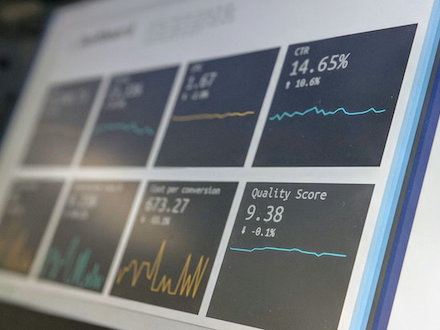
It involves collecting data from diverse sources, ensuring database interoperability, processing and analysing the data using statistical techniques and machine learning models, performing predictive modelling for scenario simulation, and visualising results through dashboards.
This technology relies on health databases, environmental sensors, geographic information systems, geolocation tools, cloud platforms, and deep learning algorithms.
Predictiveness, adaptability, scalability, multidisciplinary integration, and sustainability are its core features. These elements enable the generation of dynamic simulations and reliable forecasting scenarios across the health, environmental, urban, and climate sectors.
Data-driven epidemiology enables timely responses to complex health emergencies, forecasts extreme climate events, and supports evidence-based intervention planning, thereby strengthening public decision-making processes.
Opportunities
- Possibility of anticipating and monitoring sedentary lifestyles and health risks
Requirements
- Data quality
- Multidisciplinary expertise
Risks
- Mismanagement of sensitive data
- Inaccurate analysis
- An overly deterministic approach can reduce decision-making autonomy
Impacts
- Improvement of public health
- Policy evaluation
Example of potential fields of application
- Epidemic outbreak tracking
- Wastewater surveillance
- Environmental risk analysis
- Satellite data to predict disease spread
Digital twin/Modelling
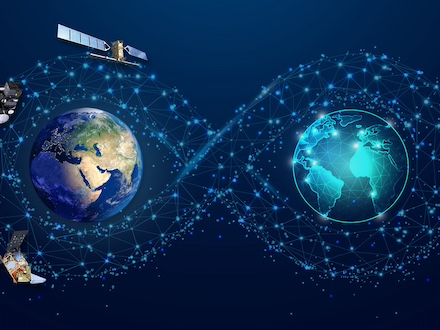
A Digital Twin is a set of virtual informational constructs that replicate the structure, context, and behaviour of a natural, engineered, or social system, continuously updated through real-time data.
It is characterised by predictiveness, adaptability, scalability, and bidirectional synchronisation between the physical and digital dimensions.
Data are collected through sensors, IoT devices, and information systems, transmitted and aggregated into cloud platforms or edge-computing systems, and subsequently processed using algorithms, statistical models, and artificial intelligence techniques.
Digital twins can be applied in the industrial sector to optimise production processes, in smart cities to monitor urban infrastructures, and in research centres to simulate the effects of environmental risks.
Digital twins and modelling are key tools for promoting innovation, as they enable advanced simulations and support decision making processes that are more transparent, informed, and efficient.
Opportunities
- Strengthened management of emergencies
Requirements
- Clear regulatory framework on data protection
- Data interoperability
- Advanced digital infrastructures
Risks
- Bias due to incomplete or non-representative data
- Excessive reliance on predictive models at the expense of human judgement
- Vulnerability to cyberattacks
Impacts
- Continuous monitoring
- Event simulation and risk assessment
Example of potential fields of application
- City digital twin for pollution monitoring
- Sun digital twin for solar storm predictions
DNA/RNA discovery
This expression refers to technologies that enable the partial or complete analysis of DNA, genome structure, gene expression levels, and epigenetic modifications. These approaches allow a detailed examination of biological processes and the mechanisms controlling gene activity. Genome analysis relies on single nucleotide polymorphism chips and second- and third-generation DNA sequencing technologies. Transcriptome analysis is primarily based on microarrays and RNA sequencing. Microarrays use oligonucleotide probes to bind specific RNA transcripts, whereas RNA sequencing allows the direct sequencing of RNA molecules without the need for predefined probes.
These technologies are characterised by high precision, the ability to generate large volumes of data, automated processing, and integration with advanced bioinformatics systems. They support detailed studies of biological processes, gene regulation, disease monitoring, early diagnosis, and stimulate research across the pharmaceutical, agricultural, and food science sectors. For these reasons, DNA and RNA analysis technologies are considered to have significant transformative potential.
Opportunities
- Species conservation
- Early identification of epidemic imbalances
- Promotion of healthy lifestyles
Requirements
- Data integration and bioinformatics
- Regulatory and ethical compliance
Risks
- Data protection
- Bioethical issues
- Misuse findings to implement discriminatory practices
Impacts
- Transformation of biomedical research
Example of potential fields of application
- Single-cell transcriptomics
- Pills capable of blocking the spread of influenza viruses
Energy storage systems
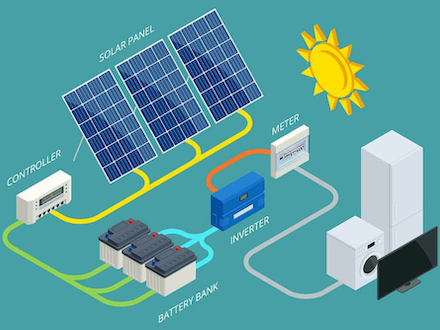
An Energy Storage System (ESS) stores the energy produced and makes it available when required. This technology helps reduce emissions, manage peak demand, and ensure energy supply in the event of power outages.
The main storage technologies include pumped hydro storage, electrochemical batteries, flywheels, compressed air energy storage systems, hydrogen storage, and thermal energy storage. These solutions incorporate essential components such as sensors, actuators, management software, algorithms, and transducers, while differing in terms of operating principles, storage methods, and storage duration.
ESS technologies are adaptable to different energy sources, offer predictive capabilities using algorithms, contribute to sustainability by reducing waste, and can be applied across a wide range of contexts. Overall, these systems facilitate the transition to a more reliable and flexible energy system.
Opportunities
- Development of new markets
- Improving safety and autonomy in transport systems
Requirements
- Planning and strategic capabilities
Risks
- High recycling costs
- Encouraging energy wasting behaviors
Impacts
- Energy planning
- Energy market stability
- Greater electricity grid stability
Example of potential fields of application
- Hydroelectric reservoirs used to store renewable energy
- Solid-state thermal battery
- Lithium-air battery with WSe₂ catalyst
- Use of heated sand for energy storage
Implantable/Wearable devices
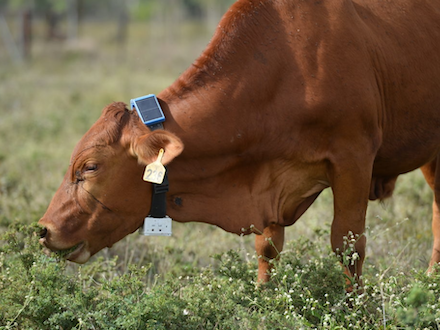
Implantable and wearable devices support an integrated approach to human,animal and environmental health, as they allow the real-time collection of data on various biological and environmental parameters. Wearable devices are applied externally to the body, whereas implantable devices are inserted within the organism, enabling even more precise monitoring. These technologies use advanced sensors, wireless connectivity, and data analysis systems to ensure continuous monitoring of animal welfare, air quality, and urban environments, facilitating a proactive and coordinated approach to ecosystem health management. They are characterised by miniaturised components, highly sensitive sensors, the capability for continuous monitoring, and the biocompatibility of the materials used. In the future, these technologies are expected to enable the adoption of more effective health and environmental policies, contributing to the creation of more sustainable and informed communities.
Opportunities
- Continuous data updating
- Integrated management of public and environmental health
Requirements
- Standardisation
Risks
- Data management and protection challenges
- Measurement and/or data interpretation errors
- Unequal access to technologies
Impacts
- Integration across different systems
Example of potential fields of application
- Urban air quality sensors
- Motorised hand mobility glove
- Wearable for animal health monitoring
- Wearable neurotech
Plastic metabolisation
Plastic metabolisation uses bacteria and fungi to biodegrade plastic polymers (such as PET, PUR, and PE) or convert them into energy or biomass. The effectiveness of these processes depends on environmental conditions and the physicochemical characteristics of different types of plastic. It promotes the recovery and reuse of plastic materials and encourages a circular approach to waste management. This technology relies on specific enzymes (through bioprocesses and bioreactors), advanced synthetic biology approaches, metabolic engineering, and co-metabolism mechanisms. It is characterised by high enzymatic selectivity, efficient polymer conversion, the ability to operate at moderate temperatures, and reduced energy consumption compared with traditional chemical processes. Plastic metabolisation has a significant impact on ecosystem health, affecting organisms exposed to plastics, disrupting food chains, and contributing to the release of microplastics into the environment. At the same time, it contributes to a reduction in carbon dioxide emissions and supports sustainable recycling processes.
Opportunities
- New biodegradable materials
- New industrial opportunities in advanced recycling
- Stimulation of scientific research
Requirements
- Risk management regulations
- Research enabling innovation
Risks
- Complexity in managing mixed
- Potential release of toxic metabolites
- Risk of engineered species dissemination
Impacts
- Energy production from plastic
- Reduction of microplastic pollution
- Increased plastic production
Example of potential fields of application
- Enzyme engineered to degrade polyurethane
- Microbiabiofilms used to degrade polyolefins
- Trichoderma converts plastic to energy

Walkable city
The walkable city is an urban model in which smart technologies make urban spaces more accessible, safer, and sustainable. This approach enhances the urban experience by enabling the real-time circulation of information on routes, traffic conditions, events, and services. Furthermore, it places people at the heart of urban planning while improving safety,responsiveness, and the overall quality of public spaces. The model integrates a range of technologies that make infrastructure more intelligent, including smart pavements, pedestrian crossings, lighting systems, and connected urban furniture. Traffic flows and mobility management are supported through IoT sensors, edge-ai cameras, and adaptive traffic lights. In addition, innovative solutions facilitate the planning of multimodal journeys and pedestrian friendly routes, while algorithms and urban platforms contribute to more efficient and sustainable city management. Overall, this model has a significant impact on several dimensions of urban life,helping to improve mobility, social well-being, public health, and social inclusion. It encourages a rethink of how urban centres are designed, built, and experienced,recognising pedestrian mobility as a key element of contemporary urban policy.
Opportunities
- Urban safety
- Increased physical activity
- Proximity and use of shared spaces
Requirements
- High investment
- Education for sustainable mobility
- Integrated planning
Risks
- Dependence on digital infrastructures
- Cybersecurity threats
- Alienation
- Rising inequality
Impacts
- Emission reductions
- More efficient space management
- Healthier lifestyles
Example of potential fields of application
- Urban design guided by simulations
- Platforms offering real-time summaries of public services